Understanding Veteran Wellness Services
Veterans returning from military service often face unique challenges that can affect their physical and mental well-being. Accessing veteran wellness services is crucial for fostering holistic health. These services are designed to address a range of issues, from PTSD to chronic pain, ensuring that veterans receive comprehensive support during their transition to civilian life. As the understanding of holistic health broadens, it is essential to explore the options available to veterans and how these services can make a significant difference in their lives.
What Are Veteran Wellness Services?
Veteran wellness services encompass a variety of health care and support programs specifically tailored for veterans. These services range from traditional medical treatment to holistic approaches, including mental health care, physical rehabilitation, and wellness programs aimed at enhancing overall quality of life. By focusing on the individual needs of veterans, these services provide targeted support that acknowledges and addresses the unique circumstances faced by those who have served in the military.
Importance of Holistic Health for Veterans
Holistic health recognizes that the well-being of veterans extends beyond mere physical health to include mental, emotional, and social aspects. A comprehensive approach to wellness considers how these different dimensions interact and affect one another. This perspective is particularly important for veterans, who often confront the multifaceted effects of deployment, such as trauma, anxiety, and social reintegration issues.
Common Challenges Faced by Veterans
Many veterans face challenges that can significantly impact their health and happiness, including:
- Post-Traumatic Stress Disorder (PTSD): Exposure to combat can lead to PTSD, which affects an individual’s ability to cope with daily life.
- Mental Health Issues: Depression, anxiety, and other mental health disorders are prevalent among veterans, often exacerbated by isolation and lack of support.
- Physical Injuries: Many veterans return with physical disabilities or chronic pain, requiring specialized medical attention and rehabilitation services.
- Substance Abuse: Some veterans may turn to alcohol or drugs as a coping mechanism, leading to additional health concerns.
- Social Reintegration: The transition from military to civilian life can be challenging, leading to feelings of isolation or difficulty in finding employment.
Types of Veteran Wellness Services Available
Physical Health Services Offered
Physical health services for veterans typically include comprehensive medical care, rehabilitation, and physical therapy. Programs may involve:
- General Health Screenings: Regular check-ups to monitor physical health and manage chronic conditions.
- Physical Therapy: Tailored rehabilitation programs focusing on recovery and mobility.
- Chiropractic Services: Techniques aimed at alleviating pain and improving physical function.
- Nutrition Counseling: Dietary programs designed to support overall health and assist with specific medical conditions.
Mental Health Support and Counseling
Mental health support is a cornerstone of veteran wellness services. This includes:
- Counseling Services: Individual and group therapy options tailored for veterans dealing with trauma, stress, and other mental health issues.
- Support Groups: Peer support networks that provide a safe space for veterans to share experiences and coping strategies.
- Integrated Approaches: Combining traditional therapy with alternative practices such as art therapy or equine-assisted therapy.
Innovative Therapies: Yoga and Mindfulness
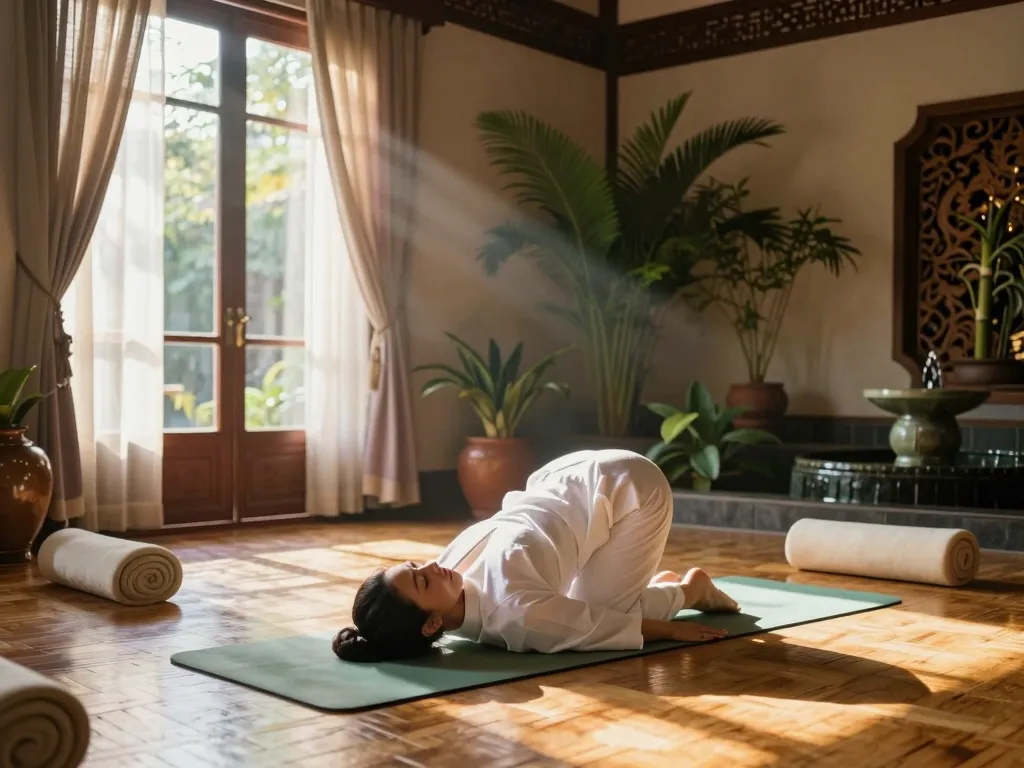
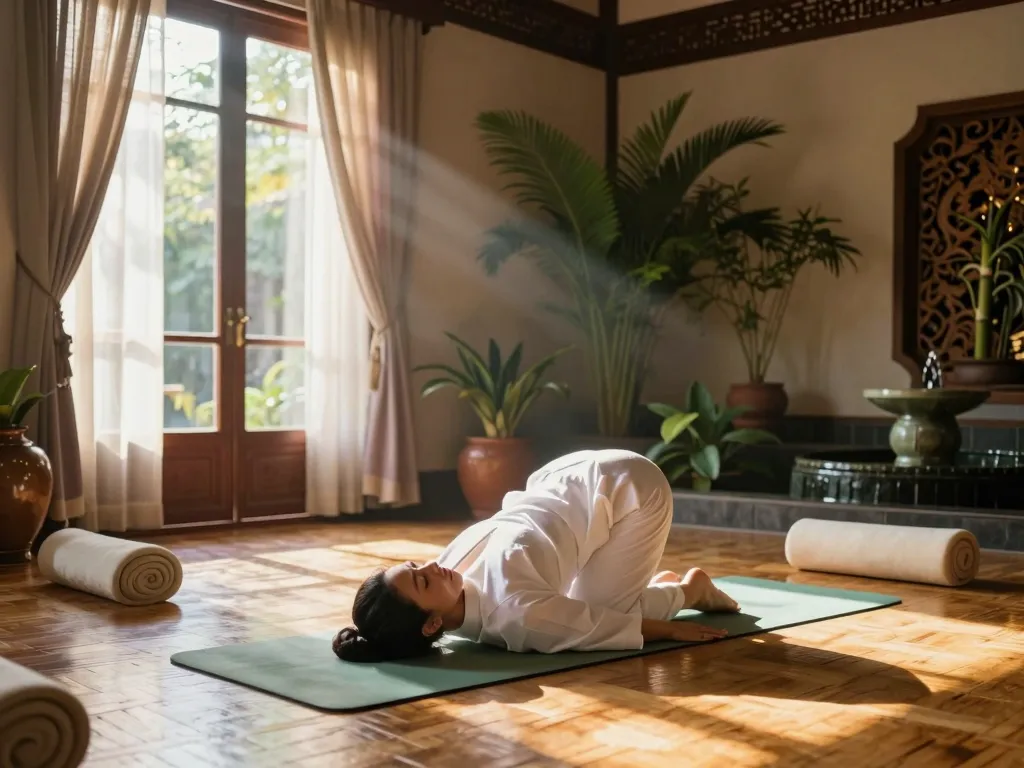
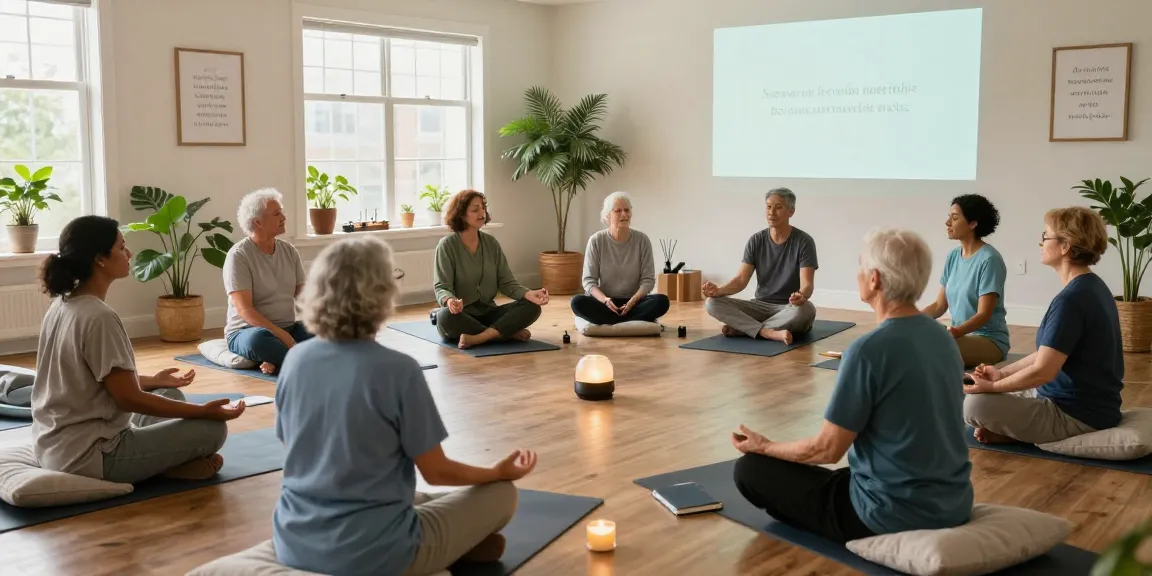
Innovative therapies like yoga and mindfulness practices have gained traction as effective interventions for veterans. These approaches help manage stress, enhance emotional regulation, and foster resilience. Programs often include:
- Mindfulness-Based Stress Reduction (MBSR): Courses that teach mindfulness techniques to help veterans cope with anxiety and improve overall well-being.
- Yoga Therapy: Physical postures, breathing exercises, and meditation specifically designed to assist veterans in navigating the challenges of their experiences.
- Community Engagement: Group classes that promote social interaction while improving physical and mental health.
How to Access Veteran Wellness Services
Getting Started with VA Health Consults
Accessing veteran wellness services typically begins with the VA health care system. Veterans can initiate this process by requesting a Whole Health Consult from their VA provider. This consult allows veterans to explore available wellness programs tailored to their specific needs. By integrating both physical and mental health services, these consultations ensure a well-rounded approach to veteran care.
Community Programs and Outreach Initiatives
Many community organizations and non-profits offer veteran wellness programs aimed at improving health and well-being. These initiatives can include:
- Health Fairs: Regular events that offer veterans free health screenings and information about available services.
- Peer Support Groups: Local meet-ups that foster connections among veterans, helping to combat feelings of isolation.
- Workshops and Seminars: Educational opportunities focused on wellness topics, including mental health and nutrition.
Online Resources and Support Networks
In addition to in-person programs, there are numerous online resources available for veterans seeking wellness support. Digital platforms can provide access to telehealth services, educational materials, and virtual support groups, making it easier for veterans to engage with care without the constraints of travel.
Success Stories and Case Studies
Transformative Outcomes from Wellness Programs
Numerous veterans have experienced significant improvements in their quality of life from participating in wellness programs. Case studies illustrate transformative outcomes where veterans report reduced symptoms of PTSD, improved physical health, and enhanced emotional resilience.
Peer Support Networks: Building Community
Peer support networks have proven effective in nurturing a sense of belonging and shared experience among veterans. These networks not only foster connections but also provide an avenue for sharing coping strategies and resources, ultimately enhancing mental health and community support.
Real-Life Experiences of Veterans
Veterans' testimonials highlight the positive impact of wellness services on their lives. Many report newfound hope, improved relationships, and a renewed purpose as they engage with the resources available to them. Personal stories not only provide valuable insights but also serve to inspire others facing similar challenges.
Future of Veteran Wellness Services
Emerging Trends in Mental Health for Veterans by 2026
The future of veteran wellness services is bright, with emerging trends expected to reshape how care is delivered. Innovations may include a greater focus on preventive care, integration of technology in treatment plans, and personalized wellness strategies tailored to individual needs.
Technological Advancements in Wellness Services
Technology continues to influence the provision of veteran wellness services. Telehealth options, mobile health applications, and virtual reality therapies are just a few examples of how technology is enhancing access and effectiveness of care. These advancements make it possible for veterans to engage with health services from the comfort of their homes.
The Importance of Continued Advocacy and Support
As the landscape of veteran wellness services evolves, continued advocacy is essential to ensure that all veterans have access to the support they need. This includes addressing gaps in services, promoting awareness of available resources, and advocating for funding to sustain and expand wellness initiatives.